2 Hours of Rare Octopus Encounters in 4K
Octopus encounters in the wild are rare. This was filmed over 600+ dives in the Salish Sea off Vancouver Island
Even in areas where they’re known to live, seeing one out in the open, moving, hunting, or interacting with its environment only happens on a small percentage of dives. Most remain hidden, tucked deep into cracks and rock formations.
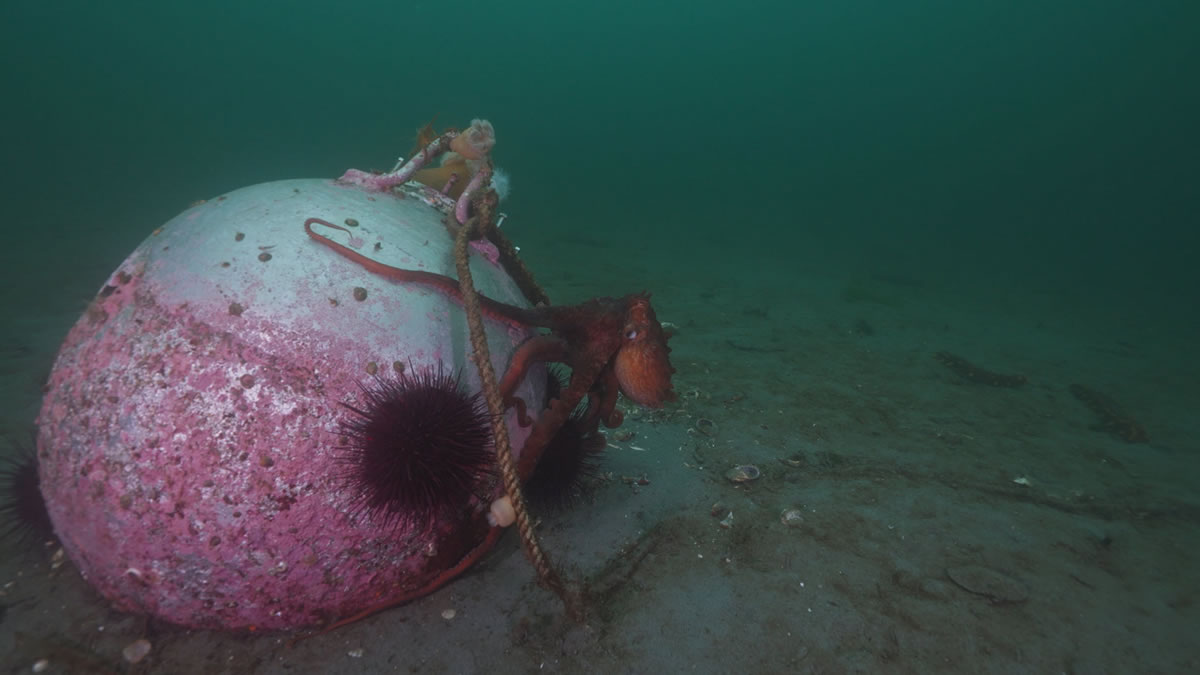
This 2-hour 4K underwater compilation captures those rare moments, filmed over more than 600 dives across Vancouver Island. It brings together encounters with Giant Pacific Octopus and ruby octopus, showing their movement, behavior, and intelligence in ways few people get to witness.
Watch a 2-hour underwater journey featuring rare octopus encounters, hunting behavior, and close-up moments from one of the most intelligent animals in the ocean.

Light, relaxing music accompanies these unique and beautiful underwater scenes. No narration.
Highlight Moments From the Film
Jump to some of the most memorable octopus encounters:
- 05:25 – A baby octopus the size of a pea
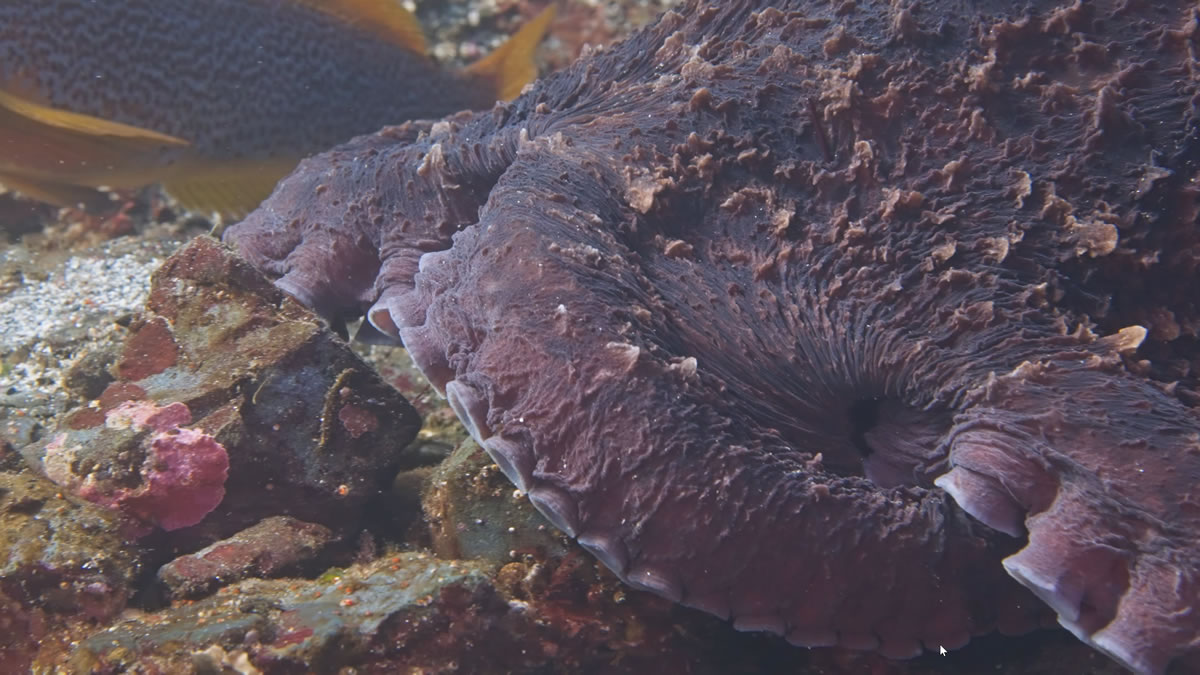
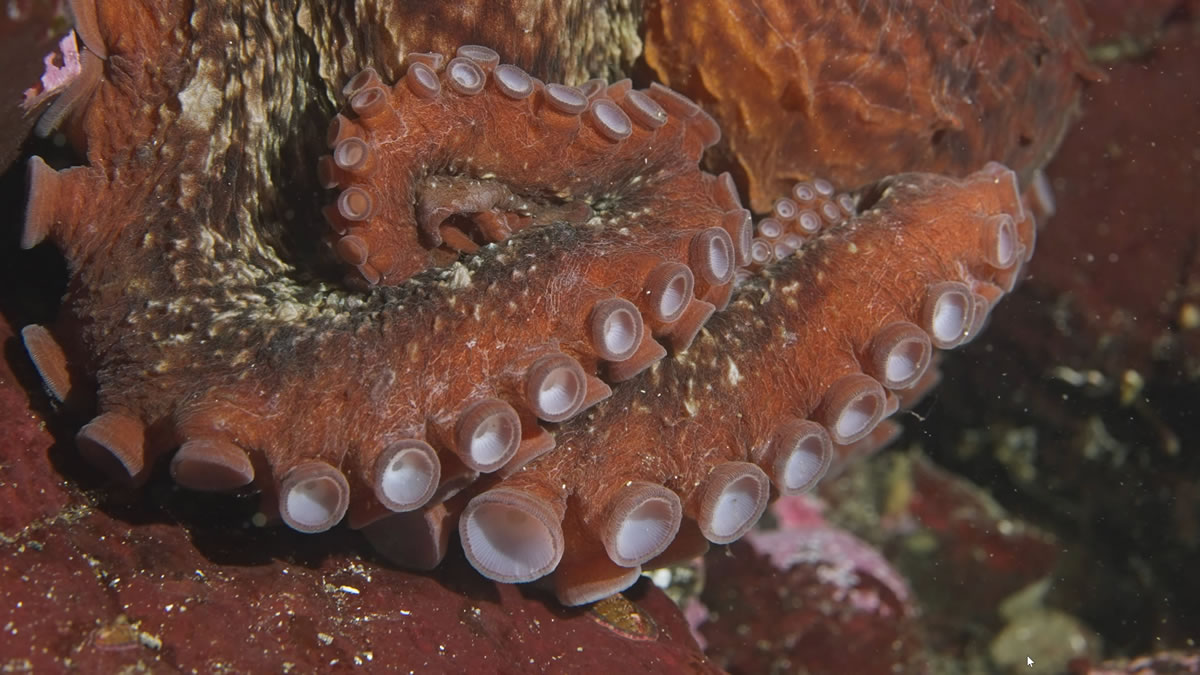
- 12:15 – Close-up of octopus arms
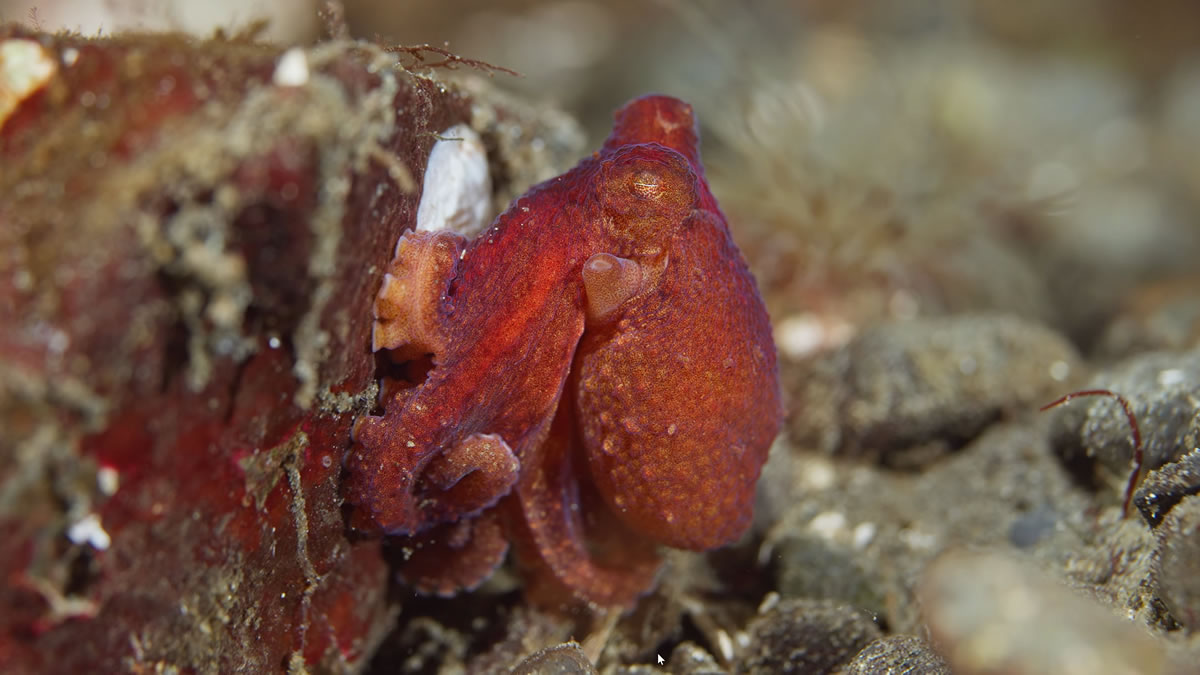
- 15:04 – Baby ruby octopus shimmering with color
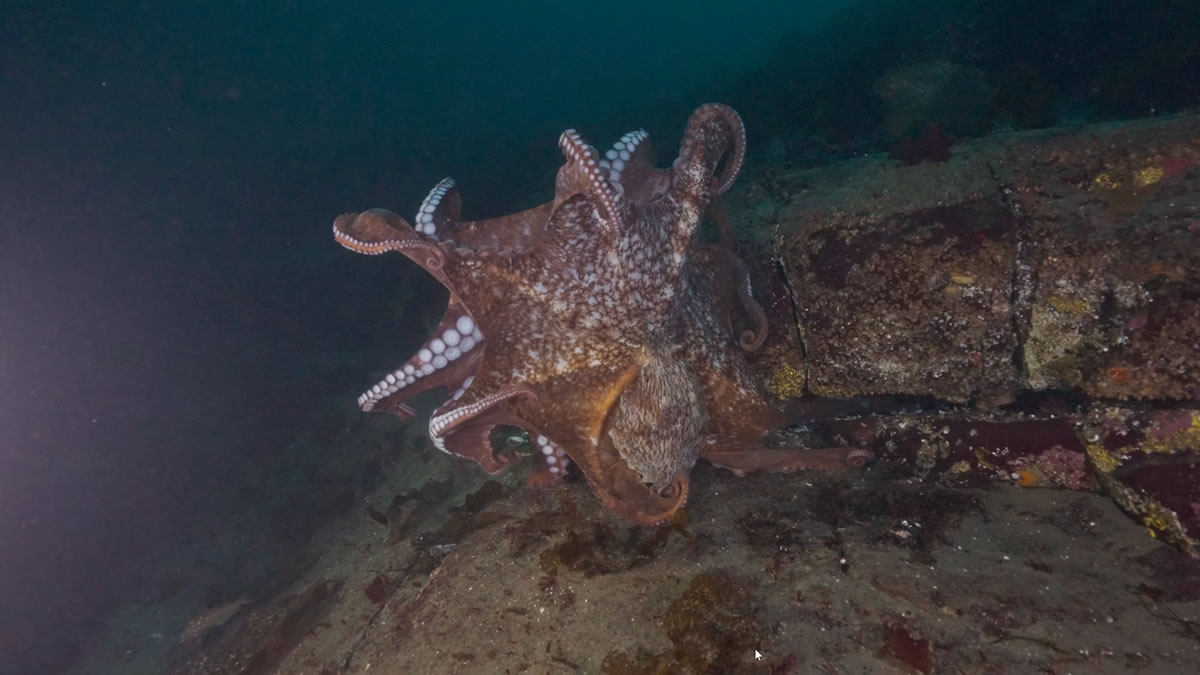
- 16:35 – Giant Pacific Octopus moving down a wall
- 30:25 – Large Giant Pacific Octopus in the open
- 41:46 – Close-up of a ruby octopus eye
- 42:10 – Giant Pacific Octopus hunting
- 49:50 – Two Giant Pacific Octopus mating
- 50:40 – Octopus peeking from its den
- 55:20 – Giant Pacific Octopus capturing prey
Why Octopus Encounters Are So Rare
Octopus are masters of camouflage and tend to stay hidden inside of their dens for most of their lives.
On Vancouver Island dives, encounters with octopus out in the open occur on fewer than 5% of dives. Most are tucked into cracks, only revealing themselves briefly.
That’s what makes this footage unique.
Across more than 600 dives, these moments were captured slowly over time, often requiring patience, repeat visits, and a bit of luck. The result is a collection of behavior that most divers rarely get to see.
Filmed Over 600+ Dives In The Salish Sea
This footage was captured over a period of three years, across more than 600 dives in the Salish Sea and surrounding waters.
Dive sites include:
-
- Madrona Point
- Oak Leaf Park
- Orlebar Point
- Tyee Cove
- Snake Wall
- Clark Rock
Each location offers different terrain, but the challenge remains the same, finding octopus in the open and capturing natural behavior without disturbance.
Octopus Behavior and Marine Life
This film focuses on both species found in the region:
-
- Giant Pacific Octopus
- Ruby octopus (East Pacific red octopus)
Throughout the video, you’ll see:
-
- Hunting and predation behavior
- Movement across reef and kelp environments
- Close-up details of arms, suckers, and eyes
- Camouflage and mimicry
- Interactions with their surroundings
These moments highlight just how intelligent and adaptable these animals are.
Featured in News and Media
This footage has been recognized beyond the diving community and was featured in both local and national media:
Camera & Technical Setup
Filming was done using:
-
- Sony A7S III
- Sony 16–35mm f/4 lens
- Sony 90mm Macro f/2.8 lens
- Laowa 10mm f/2.8 wide-angle lens
- 9.25” glass dome port
- Aquatica underwater housing
- 3 × 15,000 lumen Kraken video lights
The macro lens was especially important for capturing close-up behavior and fine detail. Underwater video lights are necessary in our waters as many of these octopus are either deeper or easier found at night.
How to Watch This Video
This is not a fast-paced highlight reel.
It’s designed as a long-form ambient experience that lets you observe octopus behavior naturally.
People typically use videos like this for:
-
- Relaxation or stress relief
- Learning about marine life
- Background viewing
- Watching specific behavior using timestamps
There is no narration, just natural movement and soft, relaxing music.
Explore More Underwater Films
Explore more long-form underwater ambient videos:
Octopus are rarely seen, and even more rarely observed in motion like this.
This film is a collection of those rare moments, captured over time in one of the most unique marine environments on the Pacific coast.