Underwater Films Featured on PBS
These three underwater films, produced by Ambient Film and now streaming on PBS, feature my underwater footage filmed across Northern Vancouver Island.
They focus on three distinct environments, shipwrecks off the coast of British Columbia, reef life in Browning Passage, and kelp forests in Browning Passage, each showing a different side of the region’s marine ecosystems.
All footage was captured over multiple dives in cold-water conditions, documenting these environments as they exist below the surface, without narration, just natural movement, light, and marine life.
Each film features an original sound score that complements the pacing and atmosphere of the underwater footage.
Explore three 4K underwater films featuring shipwrecks, reef life, and kelp forests from Northern Vancouver Island.
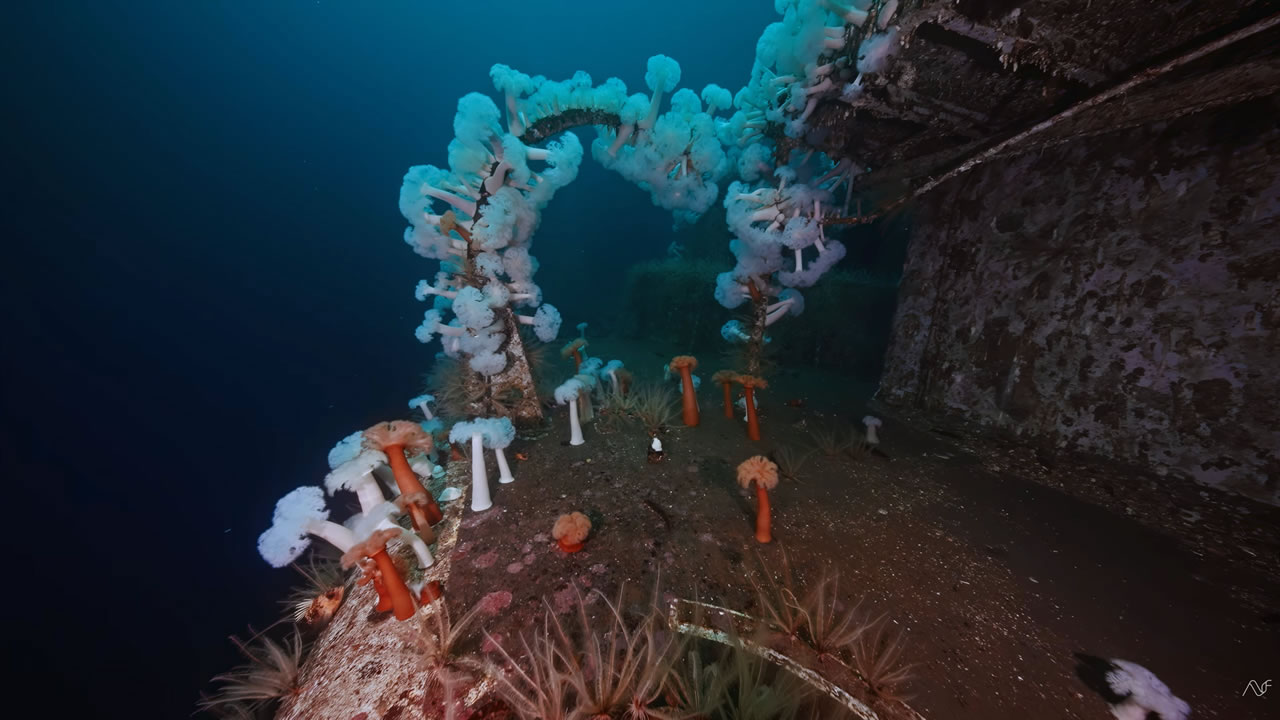
Explore a collection of shipwrecks off Vancouver Island, from large artificial reefs near Nanaimo to the scattered remains of the Vanlene in Barkley Sound. This film focuses on structure, depth, and how marine life has taken hold across these wreck sites over time.
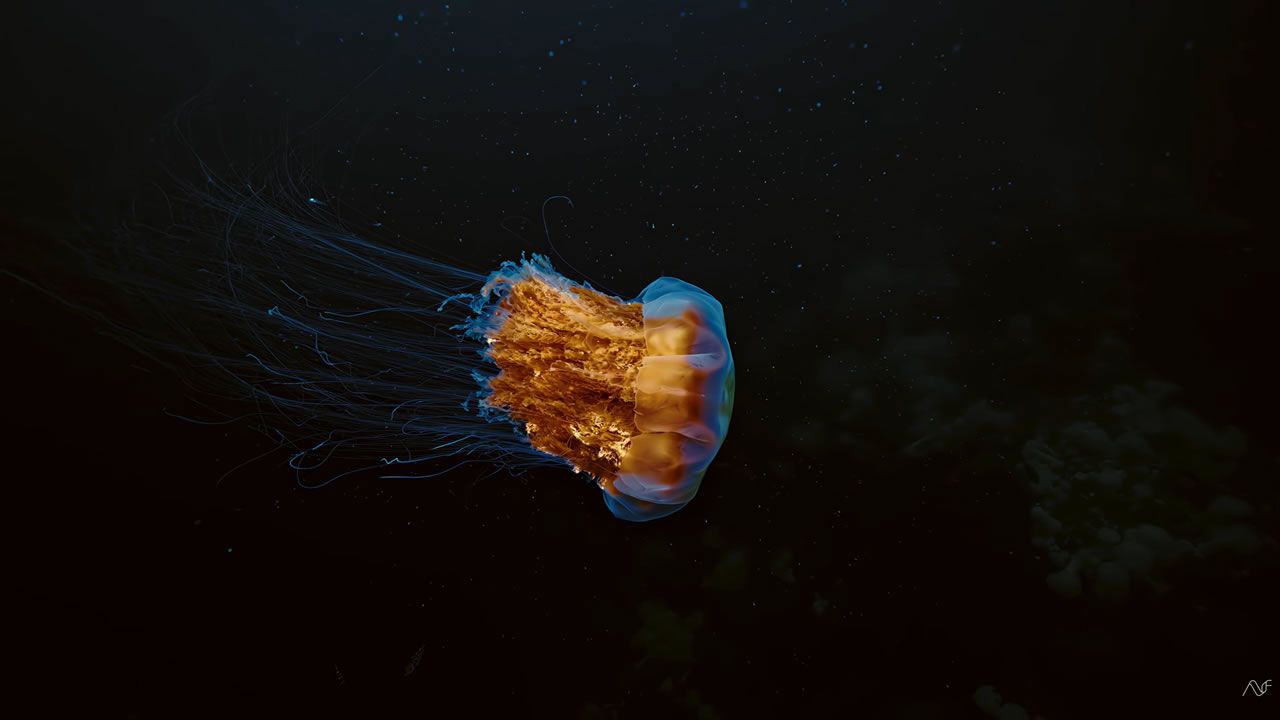
Explore beautiful reef environments in Browning Passage, featuring iconic dive sites like Browning Wall, 7 Tree Island, and Rock of Life. Schools of fish, invertebrate-covered walls, and drifting jellyfish in constantly changing underwater scenes.
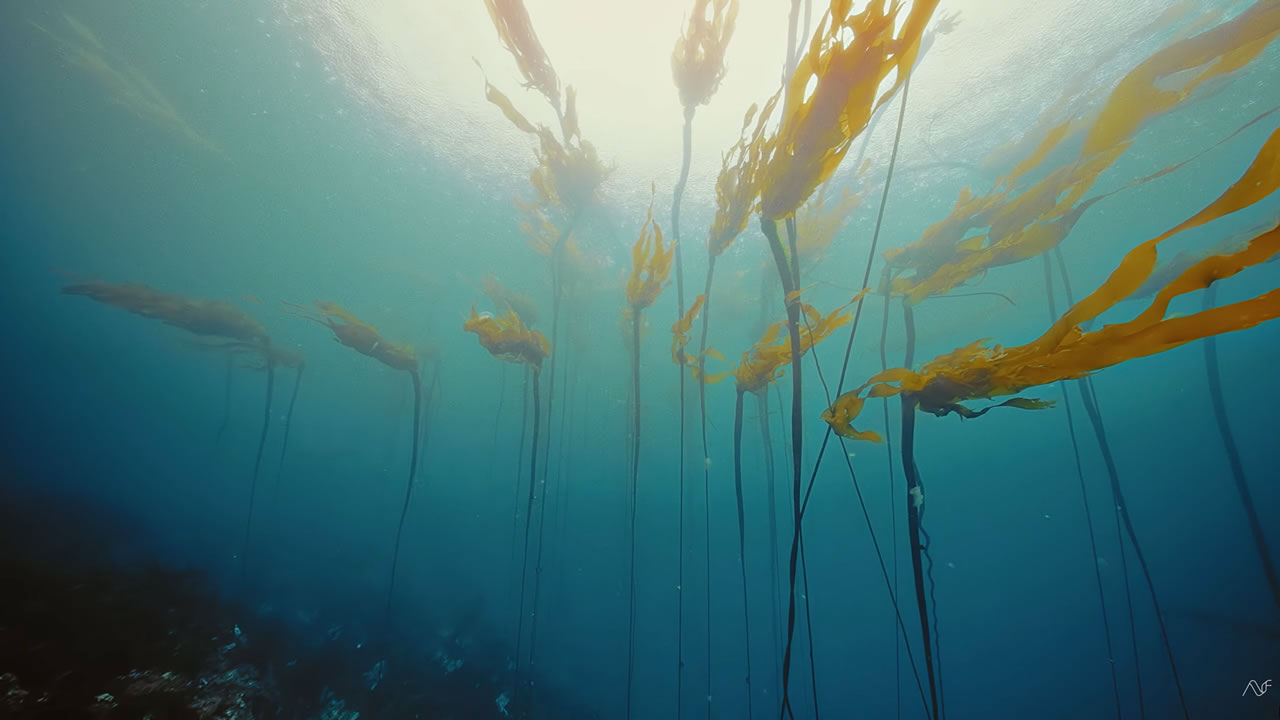
A slower, more atmospheric look at the kelp forests of Browning Passage, filmed in the fall after the kelp has the season to grow. Sunlight filters through dense bull kelp while fish, nudibranchs, and jellyfish move through the canopy.
About These Films
Each episode is built around a slow, observational approach, focusing on movement, light, and sound rather than narration. From shipwrecks and reef walls to kelp forests in Browning Passage, the goal is to create an experience that can be watched actively or left to play in the background.
All footage was filmed over multiple dives in cold-water conditions, documenting these environments as they exist below the surface. Each film is presented in 4K and paired with an original sound score, designed to match the pacing and atmosphere of the underwater scenes.
Together, these films offer a look at marine environments that are constantly changing, capturing them as they exist today through a slower, more immersive style of filmmaking.
Where This Was Filmed
These films were shot across several well-known dive regions on the coast of British Columbia, including:
-
- Browning Passage near Port Hardy
- Wreck sites near Nanaimo
- Barkley Sound on the west coast of Vancouver Island
These areas are known for:
-
- Strong tidal exchanges that bring nutrient-rich water
- Steep reef walls and dense kelp forests
- Artificial reefs and historic wreck sites
- High concentrations of marine life and invertebrates
Together, these conditions create some of the most active and visually dense underwater environments on the Pacific coast. Each location offers something different, from large shipwreck structures to current-swept reef walls and shallow kelp forests, which is why they are featured across separate films rather than combined into a single environment.