Laowa 10mm F/2.8 Underwater Review
Finding a truly ultra-wide underwater lens that isn't a fisheye can be surprisingly difficult.
For years, my primary wide-angle lens was the Sony 16-35mm f/4. It's still one of my favorite underwater lenses and remains my most-used lens today. However, there were many dives around Vancouver Island where it simply wasn't wide enough.
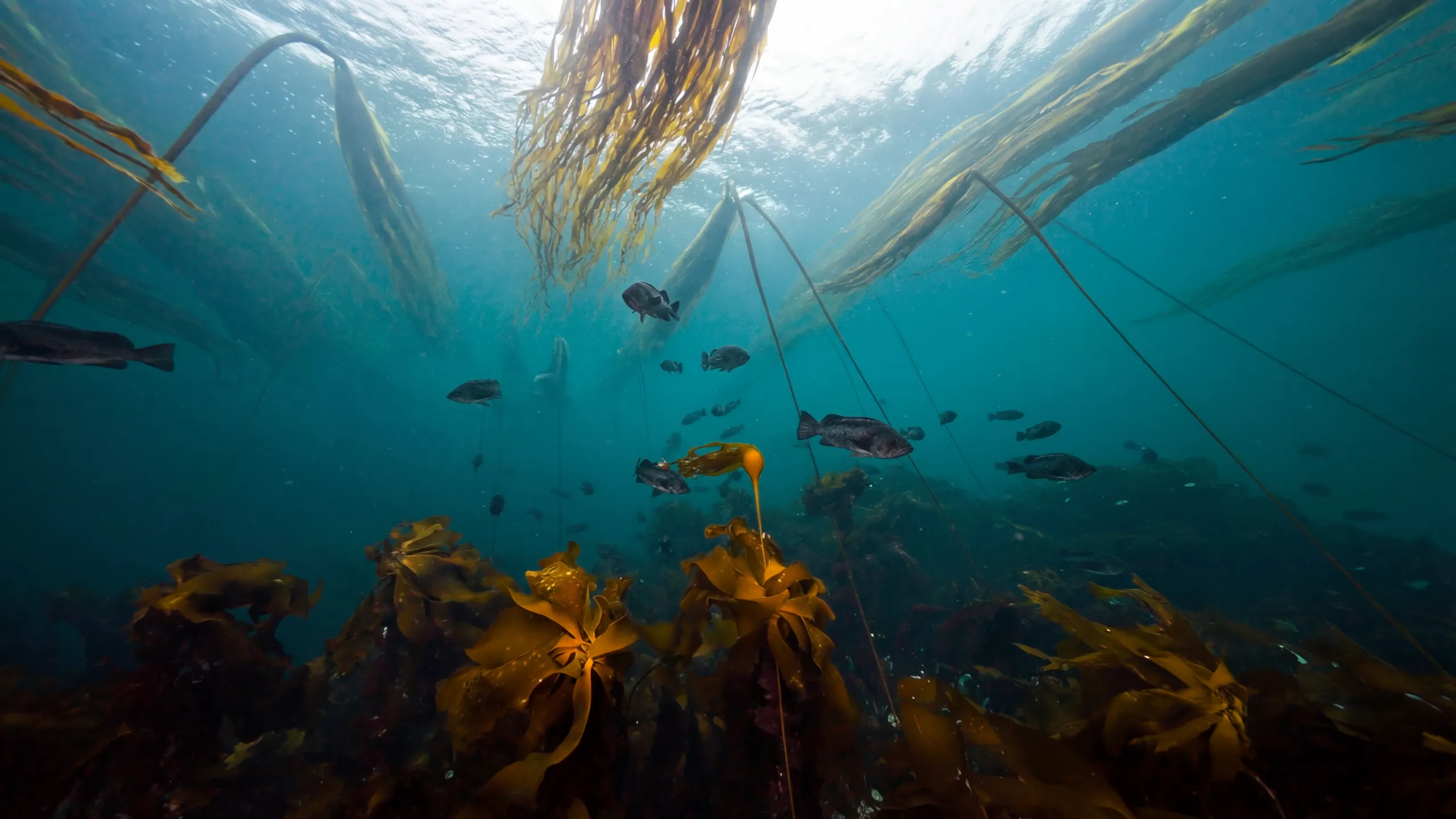
When filming massive kelp forests, steep walls covered in plumose anemones, large shipwrecks, or schools of fish, I often found myself wishing I could capture more of the scene. No matter how far back I swam, the footage never quite conveyed the scale of what I was seeing underwater.
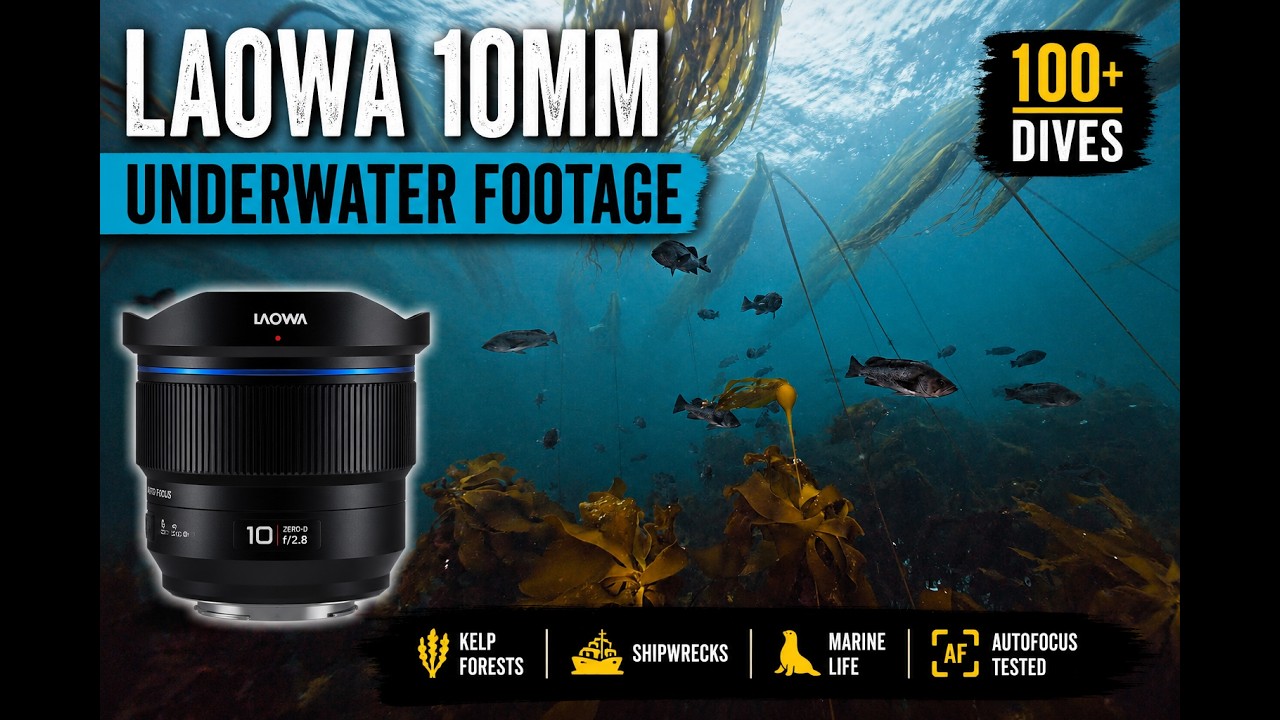
When Venus Optics announced the Laowa 10mm f/2.8 Zero-D FF Autofocus lens, I knew it was going to be a must-buy.
After more than two years of use and well over 100 dives around Vancouver Island, British Columbia, I've had plenty of opportunities to see where this lens excels and where it struggles.
Heads Up: This is NOT a technical review of the lens, there are plenty of those out there. This review is purely for those who plan to take this lens underwater.
Quick Verdict
Overall Rating: 9/10
Excellent For
-
- Kelp forests
- Walls and reefs
- Shipwreck exteriors
- Large schools of fish
- Sea lions
- Whales
- Ambient-light videography
- Capturing the scale of underwater environments
Not Ideal For
-
- Macro subjects
- Individual fish portraits
- Dark dives
- Low visibility conditions
- Situations requiring heavy video lighting
My Camera Setup
This review is based on real-world use with the following equipment:
Camera
- Sony A7S III
Housing
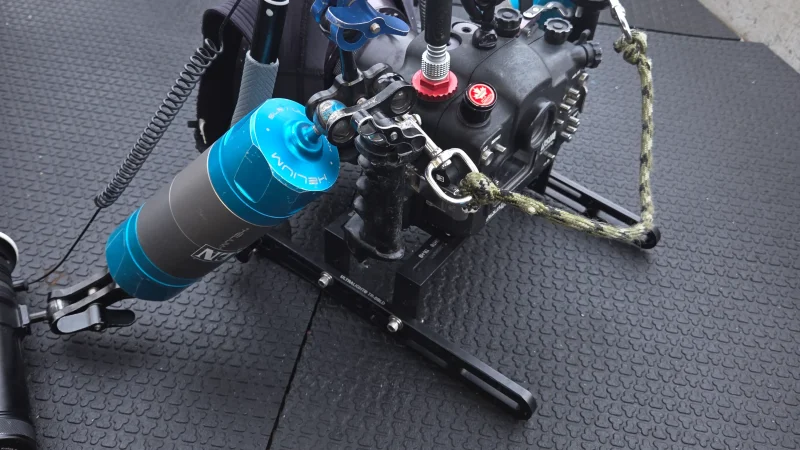
- Aquatica Digital Housing
Lens
- Laowa 10mm f/2.8 Zero-D FF Autofocus
Dome Port
- Aquatica 9.25" Glass Dome Port
Lighting
- Three Kraken Sports 15,000 lumen video lights
Why I Bought This Lens
When I first started researching the Laowa 10mm, there were plenty of reviews available online.
The problem was that almost all of them focused on topside photography and videography.
At the time, I couldn't find a single detailed review showing how the lens performed underwater.
Buying it felt a little like taking a leap of faith.
Fortunately, that has changed. There are now several excellent resources available for underwater videographers researching this lens, including reviews from Ikelite, Bluewater Photo, Matthias Lebo, and discussions on the Water Pixels forum.
Still, most reviews focus heavily on photography. As someone who primarily shoots video in cold water, I wanted to share my experience from that perspective.
Dome Port Challenges
One thing potential buyers need to understand is that this lens is incredibly wide.
In fact, it's so wide that Aquatica developed a special dome port solution specifically for it.
Most traditional dome and extension combinations will vignette, creating dark corners in your footage or images.
When I first purchased the lens, I attempted to use it with my Aquatica 8-inch acrylic dome port.
The results weren't great.
Corner sharpness suffered significantly, and the image quality wasn't what I had hoped for.
After speaking with Blake at Aquatica, he was kind enough to loan me a prototype dome port for a trip to Barkley Sound.
The difference was immediately noticeable.
That experience eventually led me to purchase Aquatica's prototype 9.25-inch glass dome port, which I now use for virtually all of my wide-angle work.
For Aquatica users considering this lens, dome port selection is absolutely critical.
Dive Sites Used For This Review
This lens has been used extensively throughout Vancouver Island and British Columbia, including:
-
- Browning Wall
- 7 Tree Island
- The Grotto
- Hardy Bay
- Renate's Reef
- HMCS Saskatchewan
- The Vanlene
- Madrona Point
- Oak Leaf Park
Conditions ranged from shallow kelp forests and reef systems to deep walls and large shipwrecks.
Autofocus Performance Underwater
Autofocus generally performs very well when there is plenty of ambient light available.
For wide-angle scenes, I have found Zone Focus to be the most reliable option. When filming specific subjects, narrowing the focus area tends to produce better results.
The biggest challenge is low light.
When filming deeper dives or darker environments, the autofocus can struggle to find enough contrast. When that happens, it may begin hunting or rapidly stuttering while trying to acquire focus.
One solution that works well is focusing on an object roughly 10 to 20 feet away, switching to manual focus, and then relying on the enormous depth of field this lens provides.
At f/11 to f/13 in bright conditions, this approach works surprisingly well.
One downside worth mentioning is autofocus noise.
The autofocus motor is not particularly quiet, and there have been situations where I could hear the focus motor recorded in my video clips.
Where This Lens Truly Shines
Kelp Forests
If there is one environment that justifies owning this lens, it's kelp forests. The first time I used it around Browning Passage and 7 Tree Island, I knew I had made the right purchase.
The ability to capture the height and scale of giant kelp forests is unlike anything I've experienced with the Sony 16-35mm.
Footage finally looked the way those environments felt while diving them.
Walls And Reefs
The same applies to vertical walls and reefs.
Many of Vancouver Island's walls are covered with colorful plumose anemones, soft corals, sponges, and invertebrate life.
This lens excels at capturing entire sections of wall while still allowing viewers to appreciate the details.
Shipwrecks
The Laowa 10mm has become one of my favorite lenses for wreck exteriors.
Large wrecks such as HMCS Saskatchewan can be difficult to fit into the frame with traditional wide-angle lenses.
The additional field of view makes a huge difference.
Large Marine Life
This lens is fantastic for:
-
- Sea lions
- Whales
- Large schools of fish
- Large jellyfish
- Bait balls
The ability to include both the subject and the surrounding environment creates a much stronger sense of place.
Where This Lens Struggles
Like any specialty lens, the Laowa 10mm isn't perfect.
Individual Subjects
On one dive, I encountered a large Giant Pacific Octopus sleeping on a deep wall.
The Laowa 10mm was absolutely the wrong lens for the job.
But there was no way I was going to swim away from one of my favorite subjects without filming it.
The footage turned out beautifully, but it reinforced an important lesson about this lens.
It's designed to showcase environments.
It's not designed to isolate individual subjects.
If your goal is fish portraits, octopus closeups, or detailed animal behavior, there are better lens choices available.
Poor Visibility
Because the lens captures such a large field of view, it also captures more suspended particles when visibility deteriorates.
In poor visibility, you'll often notice more backscatter than you would with narrower lenses and the auto-focus will struggle to grab onto anything in your scenes.
Video Light Challenges
One challenge that surprised me was lighting.
Because the lens is so wide, it easily captures the outer edges of your video light beams.
Initially, I was constantly seeing the edges of my light cones appearing in footage.
To solve this problem, I eventually extended my lighting setup using additional arm segments and pushed the lights much farther away from the housing.
When filming the Giant Pacific Octopus mentioned earlier, I had my lights mounted on Ultralight float arms with additional 10-inch extensions to push them as far out as possible.
Proper light positioning becomes much more important with this lens than with traditional wide-angle lenses.
Fortunately, this is largely a non-issue when filming with strong ambient light.
Unexpected Issues
Lens Lettering Reflections
One issue I wasn't expecting involved reflections.
On bright sunny dives, the white lettering around the front of the lens began reflecting inside the dome port.
Fortunately, the solution was simple. Some photographers use custom decals or painted lens barrels.
I took the Vancouver Island approach and covered the lettering with black hockey tape.
Problem solved.
Custom Focus Gear
Because I use an Aquatica housing, I designed and 3D printed my own focus gear for the lens.
If you're running a similar Aquatica setup, I've made the STL files available on Thingiverse for anyone who wants to print their own. They operate a little chunky because I am not a professional CAD designer but if you improve the smoothness of their operation please let me know!
Pros
-
- Extremely wide field of view
- Rectilinear design with minimal distortion
- Incredible for kelp forests
- Excellent for walls and reefs
- Outstanding wreck lens
- Great for large marine life
- Sharp image quality
- Autofocus capability
- Unique perspective compared to traditional wide-angle lenses
Cons
-
- Requires careful dome port selection
- Autofocus struggles in low light
- Autofocus motor can be noisy
- Difficult to light properly
- Not ideal for individual subjects
- Can reveal more backscatter in poor visibility
Final Thoughts
After more than 100 dives and two years of use, the Laowa 10mm has earned a permanent place in my camera bag.
It isn't a general-purpose underwater lens, and it won't be the right choice for every dive.
However, if your goal is to capture the scale of underwater environments without resorting to a fisheye lens, there are very few options that can match what the Laowa 10mm delivers.
For kelp forests, walls, wrecks, and large marine life, it produces images and video that simply aren't possible with most traditional wide-angle lenses.
If you regularly dive in clear water with strong ambient light and want to showcase the size and beauty of the underwater world, the Laowa 10mm is an outstanding tool.