Reef Life in Browning Passage (Underwater Film)
Featuring underwater footage from iconic dive sites off Northern Vancouver Island.
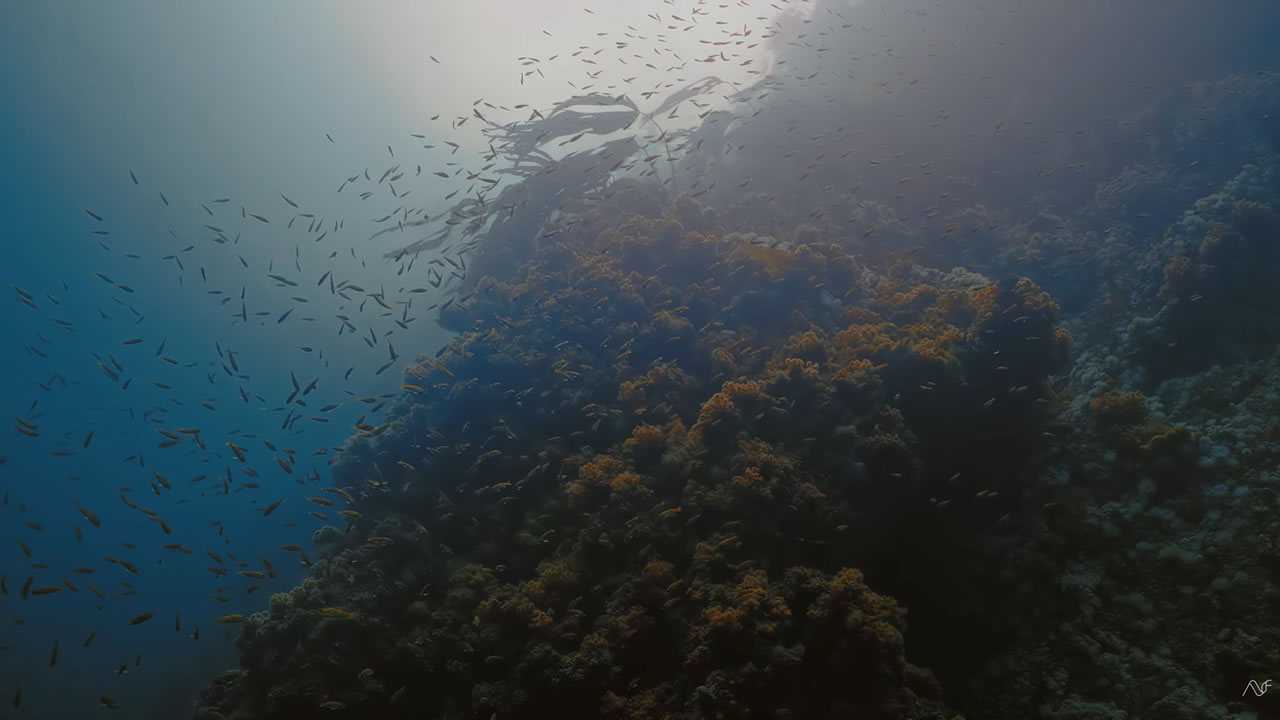
Browning Passage is one of the most active and diverse marine environments on the coast of Vancouver Island.
Known for strong tidal currents and nutrient-rich water, the area supports dense concentrations of marine life across reef walls, kelp-covered structures, and current-swept channels.
This episode of the Ambient Film series, produced by Ambient Film and now streaming on PBS, features underwater footage captured across more than 80 dives over a three-year period, bringing together a wide range of conditions, species, and locations within Browning Passage.
A continuous look at reef life in Browning Passage, featuring iconic dive sites, dense marine life, and constantly changing underwater conditions.
Highlight Moments From The Film
- 00:40 – View of Browning Wall from the surface
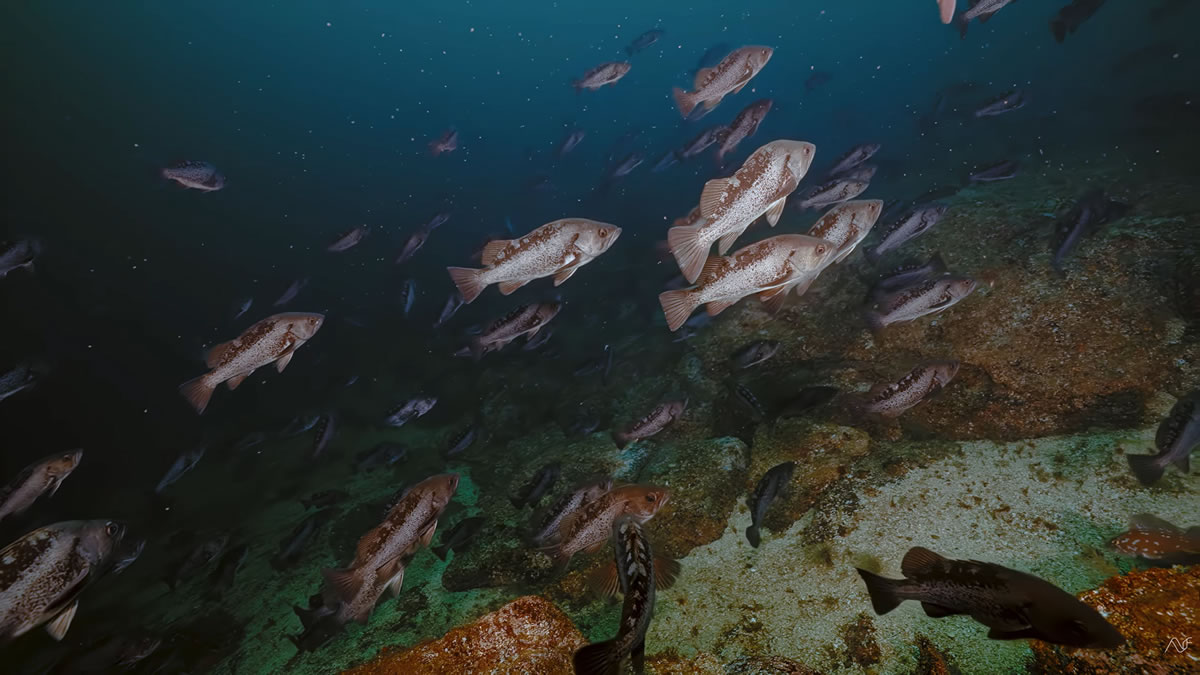
- 01:16 – School of juvenile rockfish on Browning Wall
- 04:09 – The density of invertebrate life on Browning Wall
- 06:14 – China rockfish on dense soft corals on Browning Wall
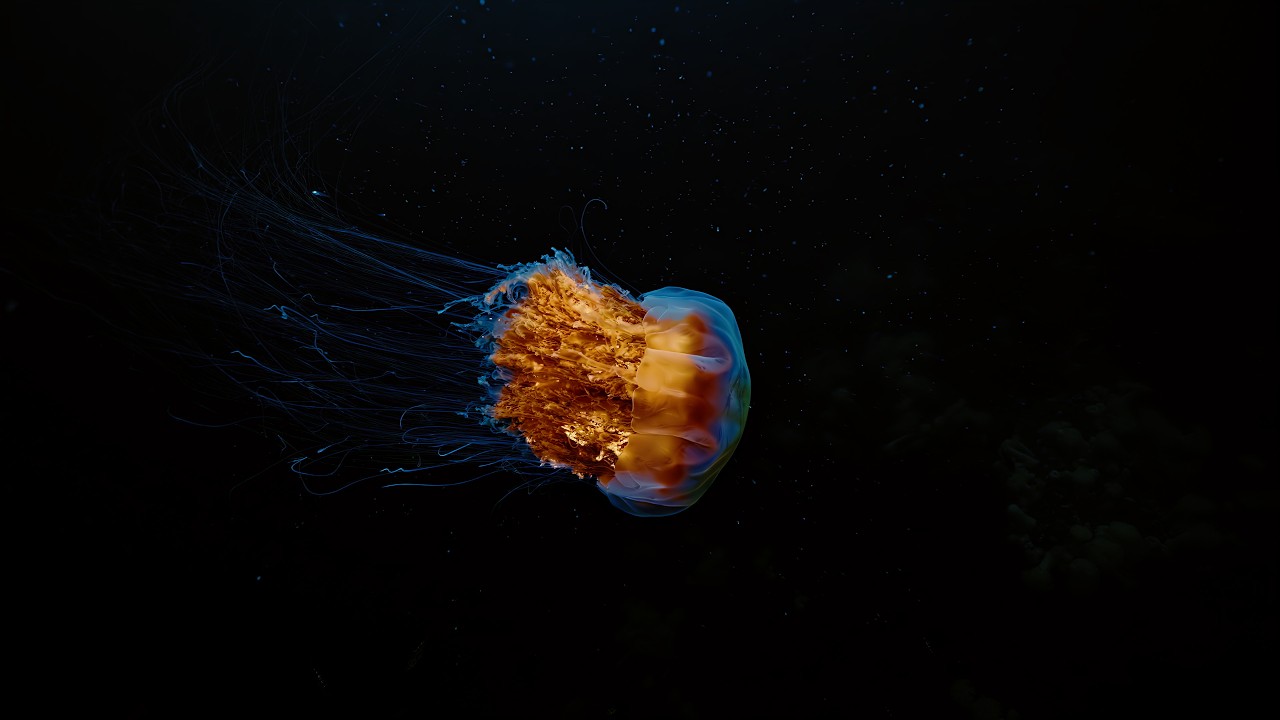
- 11:13 – Massive lion’s mane jellyfish off Browning Wall
- 13:46 – School of black rockfish at 5 Fathom Rock
- 21:17 – Large school of rockfish moving through the current
- 27:42 – Large fried egg jellyfish with rockfish in the background
- 34:40 – Yellowtail rockfish at the pinnacle at The Grotto
- 40:11 – Glove sponge on the wall at 7 Tree Island
- 41:07 – Gorgonian corals at Barry Islet
- 44:25 – Soft corals at Rock of Life
- 52:44 – Large lion’s mane jellyfish drifting in the current
These moments highlight the range of reef environments and marine life found throughout Browning Passage, from dense invertebrate-covered walls to large schools of fish and drifting jellyfish in open water.
Featured on PBS
This episode is part of the Ambient Film series and is currently streaming on PBS.
Dive Sites Featured in This Film
This film features several of the most well-known dive sites in Browning Passage:
-
- Browning Wall - A world-class wall dive known for steep structure and dense marine life supported by strong current.
- 7 Tree Island - A mix of reef structure and kelp environments, often holding schools of fish and invertebrate life.
- Rock of Life (Buttertart) - A high-energy site with consistent current, known for glove sponges, kelp forests, and active fish life.
- Barry Islet - Known for it's gorgonian corals and deeper reef structure, offering a different look at the ecosystem.
- 5 Fathom Rock - A rockfish conservation area known for it's dense population of a variety of rockfish.
Each site offers a different combination of depth, current, and structure, contributing to the variety seen throughout the film.
Marine Life in Browning Passage
Browning Passage supports a wide range of species due to its constant flow of nutrient-rich water.
Throughout this film, you’ll see:
-
- Schools of black rockfish and yellowtail rockfish
- Plumose anemones covering reef surfaces
- Gorgonian corals on deeper walls
- Hooded nudibranchs attached to kelp and structure
- Lion’s mane and fried egg jellyfish drifting through the water column
- Various invertebrates and reef species adapted to strong current
The density of life in these areas changes constantly depending on tide, visibility, and time of year, which is reflected throughout the footage.
Filming in Browning Passage
This footage was captured over more than 80 dives across a three-year period.
Conditions varied significantly:
-
- Spring and fall diving seasons
- Visibility ranging from limited to exceptionally clear
- Strong and changing currents
All dives were conducted as boat dives in cold-water conditions using dry suits.
Capturing this range of footage required returning to the same locations repeatedly under different conditions, allowing for a broader view of how these reef systems behave over time.
Film Credits
Produced by Ambient Film
https://ambientfilm.org/
Underwater footage by Carl Sorensen (ScubaBC)
Music by spirituals
https://www.youtube.com/@spirituals.mp4
https://www.instagram.com/spirituals.mp3
https://soundcloud.com/spirituals
Browning Passage is constantly changing, shaped by current, light, and seasonal conditions.
This film brings together a wide range of those conditions into a single, uninterrupted look at one of the most dynamic underwater environments on the Pacific coast.
Explore More from the Ambient Film Series
This episode is part of the Ambient Film series, which includes several films featuring my underwater footage. You can view the official industry credits, production details, and crew listings for this release on IMDb.
Each episode focuses on a different underwater environment, from shipwrecks and reef walls to kelp forests shaped by strong coastal currents.
More ScubaBC Ambient Videos
If you want to explore similar environments in longer, uninterrupted form, you can watch the full ambient films here:
These films expand on the same locations and marine environments, presented as long-form, no-narration experiences designed for slower viewing, background ambience, or simply spending more time underwater.